Quick Answer
Choosing between used original equipment manufacturer parts and aftermarket alternatives depends on your specific repair needs, budget, and vehicle age. Used OEM components deliver factory-specified fit and performance at a reduced price, though they may show prior wear. Aftermarket options often include enhanced warranties and broader availability. For essential safety systems, prioritize verified quality and compatibility. Always inspect part condition, confirm return policies, and weigh long-term value before finalizing your decision.
Introduction
Picture this: your vehicle needs a critical repair, and the estimate leaves you weighing options at the garage counter. For Canadian drivers navigating harsh winters and long commutes, finding reliable yet affordable parts isn't just about saving money. It's about keeping your vehicle safe, dependable, and on the road through every season.
When repair costs rise, many drivers explore practical ways to manage expenses. Some find value in services like Pick-n-Pull scrap car removal Calgary to turn an older vehicle into funds for essential repairs. Others focus on selecting components that offer the right balance of quality, fit, and cost for their situation.
This guide clarifies the key differences between these part categories. You'll learn how to evaluate fitment, durability, pricing, and ideal applications so you can approach your next repair decision with confidence and clarity.
Understanding the Core Differences: Used OEM vs Aftermarket Parts
When evaluating OEM vs aftermarket parts, the distinction begins with origin and manufacturing standards. Original equipment manufacturer components are produced by the same company that supplied your vehicle's factory parts. Aftermarket alternatives come from third-party manufacturers who design components to fit multiple vehicle makes and models.
What Defines Used OEM Components
Used OEM parts are genuine components removed from vehicles that have been retired or salvaged. These parts retain the original engineering specifications, materials, and tolerances intended by your vehicle's manufacturer. Key characteristics include:
- Factory-stamped part numbers for precise identification
- Direct bolt-on fitment without modification
- Materials and finishes matched to original performance standards
- Potential wear consistent with the donor vehicle's mileage and maintenance history
How Aftermarket Alternatives Are Made
Aftermarket car parts are engineered by independent companies to meet or exceed original specifications. Quality varies significantly across brands, so research matters. Reputable aftermarket manufacturers often:
- Invest in upgraded materials for enhanced durability
- Offer broader compatibility across multiple vehicle years
- Provide competitive warranties that sometimes exceed factory coverage
- Introduce design improvements based on real-world failure data
Fitment and Compatibility Considerations
Fitment accuracy directly impacts installation time, safety, and long-term reliability. Used OEM components typically deliver seamless integration since they were designed for your specific vehicle platform. Aftermarket options may require minor adjustments or additional hardware. Always verify:
- Part number cross-references before purchasing
- Return policies in case of fitment issues
- Whether professional installation is recommended
- Compatibility with your vehicle's trim level and options package
Price Comparison and Value Analysis
Cost is often the deciding factor, but true value includes longevity, warranty coverage, and peace of mind. The table below outlines typical pricing dynamics for common repair categories:
| Part Category |
Used OEM Typical Range |
Aftermarket Typical Range |
Best Use Case |
| Body Panels |
40 to 60 percent of new OEM |
30 to 70 percent of new OEM |
Cosmetic repairs where an exact colour match matters |
| Suspension Components |
50 to 70 percent of new OEM |
40 to 80 percent of new OEM |
Daily drivers where ride quality is prioritized |
| Electrical Modules |
60 to 80 percent of new OEM |
50 to 90 percent of new OEM |
Non-safety critical systems with reliable sourcing |
| Engine Internals |
70 to 85 percent of new OEM |
60 to 95 percent of new OEM |
Rebuilds where material quality is verified |
Remember that the lowest upfront price does not always deliver the best long-term outcome. Factor in
installation labour, potential rework, and expected service life when comparing options. For Canadian conditions, consider how parts perform in extreme cold, road salt exposure, and temperature fluctuations.
Smart Selection Strategies: Choosing the Right Part for Your Repair
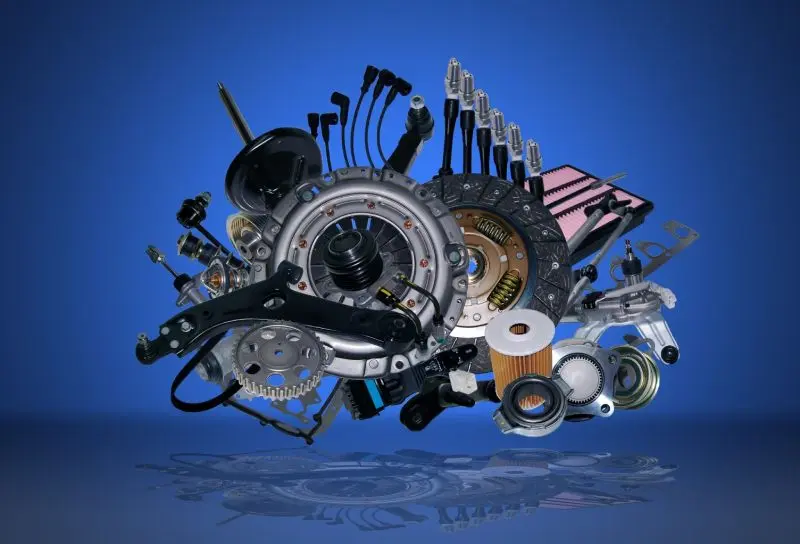
Making an informed decision requires more than comparing price tags. By applying a structured evaluation approach, you can select components that deliver reliability without overspending. The goal is to match part type to repair purpose while accounting for your vehicle's age, usage patterns, and local driving demands.
Assess the Criticality of the Component
Not all repairs carry equal risk. Prioritize factory-specified components for systems where failure could compromise safety or cause cascading damage. Use this quick reference to guide your choice:
| Component Type |
Recommended Source |
Reasoning |
| Airbag Sensors, Brake Callipers |
Used OEM |
Safety-critical systems require verified engineering tolerances |
| Bumper Covers, Door Handles |
Aftermarket |
Cosmetic parts benefit from cost-effective replacement options |
| Alternators, Starters |
Either, with verification |
Performance depends more on refurbishment quality than origin |
| Suspension Bushings, Control Arms |
Used OEM |
Factory rubber compounds handle Canadian temperature swings reliably |
Verify Source Quality and Inspection Standards
When considering used OEM parts, the condition and testing process matter more than the source alone. Reputable suppliers provide:
- Detailed photos showing wear points, corrosion, and part numbers
- Mileage and history information for the donor vehicle
- Functional testing documentation for electrical or mechanical components
- Clear return windows and restocking policies
For aftermarket selections, look for certifications such as CAPA (Certified Automotive Parts Association) or ISO manufacturing standards. These indicators help ensure the component meets baseline quality expectations.
Factor in Canadian Driving Conditions
Our climate presents unique challenges for vehicle components. Road salt accelerates corrosion on undercarriage parts. Extreme cold tests battery performance and rubber flexibility. When selecting any replacement:
- Choose components with corrosion-resistant coatings for underbody applications
- Verify rubber or plastic parts are rated for sub-zero temperatures
- Confirm that electrical connectors maintain integrity in high-humidity environments
- Prioritize suppliers who store parts indoors to limit pre-installation weather exposure
Calculate True Total Cost of Ownership
Upfront price represents only one piece of the value equation. To evaluate auto parts savings realistically, consider these additional factors:
- Installation labour time (some aftermarket parts require modification)
- Expected service life based on material quality and testing data
- Warranty coverage duration and claim process simplicity
- Potential impact on vehicle resale value for visible or performance-related repairs
A practical example: A used OEM headlight assembly may cost 20 percent more than an aftermarket equivalent. However, if the aftermarket option requires bracket adjustments, risks moisture intrusion, or fades faster under UV exposure, the initial savings may disappear through rework or premature replacement.
Final Thoughts: Making Confident Parts Decisions
Selecting the right component for your vehicle repair comes down to aligning part type with your specific priorities: safety, budget, longevity, and driving conditions. There is no universal winner between original equipment and third-party options. Success lies in applying a thoughtful evaluation process to each repair scenario.
As you move forward with your decision, keep these final checkpoints in mind:
- Match part criticality to source reliability: safety systems favour verified OEM heritage, while cosmetic updates often welcome quality aftermarket car parts
- Confirm inspection standards and return policies before purchasing any used car parts, regardless of supplier reputation
- Document part numbers, warranty terms, and installation notes to simplify future maintenance or claims
- Reassess your choice if your vehicle's usage changes, such as transitioning from city commuting to rural winter driving
Use code carsaddiction for 20% off!